


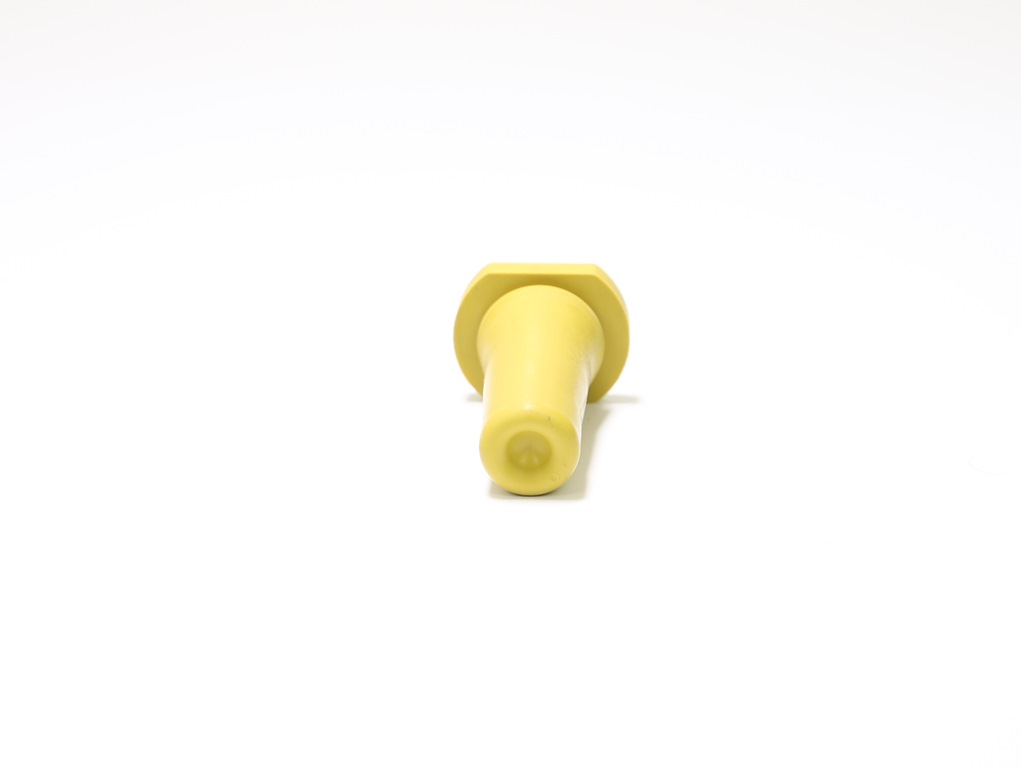


Milk Bar™ Training Teat
Product No. 900300
The Milk Bar™ Training Teat has been specially developed to support the training phase. Combining a softer natural rubber formulation with a controlled milk flow, it is ideal for training young calves and providing extra support for weaker calves, while still encouraging a natural suckling action.
The Milk Bar™ Training Teat encourages calves to suckle naturally rather than gulping. This controlled feeding action stimulates saliva production, which plays an essential role in calf health. Saliva has natural antimicrobial properties that help support immunity and contains pre-gastric lipase, an enzyme vital for digesting milk fats efficiently.
For the best results:
Fit a bottle or feeder with a Milk Bar™ Training Teat.
Guide the teat into the calf’s mouth and gently squeeze its jaw until it begins suckling.
Use the Training Teat for the first two or three days, or until the calf is feeding confidently and consistently.
Once calves are confidently drinking, switch to the firmer, black Milk Bar™ Teat for optimum feeding performance.
The Training Teat’s softer rubber makes it easier for calves to accept, while its slightly faster flow helps them gain confidence. Moving to the firmer black Milk Bar™ Teat provides a more controlled flow, supporting healthy digestion and protecting calves from the negative effects of fast feeding.
Milk Bar™ Teats use a hygienic pull-through design that fits tightly against the feeder wall to minimise milk build-up.
Correct installation is important: position the slit vertically for optimum performance.
· Teat Tool: The quickest and easiest removal method.
· By hand: Pull the teat straight up or down—not directly outward.
· Cutting: Use a sharp blade away from your body. Fit the replacement with the slit vertical.
When to Replace
Milk Bar™ Teats control the flow for around 120 feeds. This figure is influenced by cleaning regimes, as the natural rubber gradually absorbs milk fat and protein. With use, the teat softens and the flow increases.
Managing the teats as you would your milking liners helps maintain a consistent, controlled flow.
A simple calculation will tell you when to replace the teats: 120 ÷ feeds per day ÷ 7 = weeks until replacement.
For example, if the teat is used twice a day, replace it every 8.5 weeks: 120 ÷ 2 ÷ 7 = 8.5 weeks.
If the teat is used four times a day, replace it every 4.2 weeks: 120 ÷ 4 ÷ 7 = 4.2 weeks.
Replace immediately if calves start gulping or cross-suckling. Regular inspection helps maintain good calf digestive health.
Milk contains both fat and protein, which can form a biofilm. This biofilm can hold bacteria even when a surface looks clean. Effective cleaning must remove both residues and prevent build-up inside the teat.
Rinse equipment soon after feeding so milk does not dry onto the surface. Use warm water and a suitable detergent rather than very hot water, which may set milk protein onto the equipment.
Milk Bar™ Teats are made from high-quality natural rubber, so they should be cleaned with a non-chlorine detergent. Chlorine-based detergents damage natural rubber, reducing teat life and performance.
Clean thoroughly at least twice a week, and rinse after every feed. Regular cleaning removes milk fat and protein before they form biofilms that allow bacteria to grow, helping maintain excellent hygiene for every feed.
Rinse with water.
Apply a gentle, non-chlorine detergent as directed.
Lightly brush the outside while bending each teat so detergent reaches the inner wall.
Rinse thoroughly.
Milk Bar™ Training Teats come in packs of 10.
Milk Bar™ Teats come in recyclable packaging and are made from the highest grade natural rubber.
The Milk Bar™ Training Teat is available with a round back by special request.
Milk Bar™ products are protected by patents and registered designs, reflecting decades of innovation dedicated to improving calf health and feeding performance.
NZ Patent Applications 757655, 767633 and 727000. NZ Design Registration 420972. PCT Patent Applications NZ2016/050190 and NZ2020/050110. International patents and designs pending or applied for.


